 Reviews


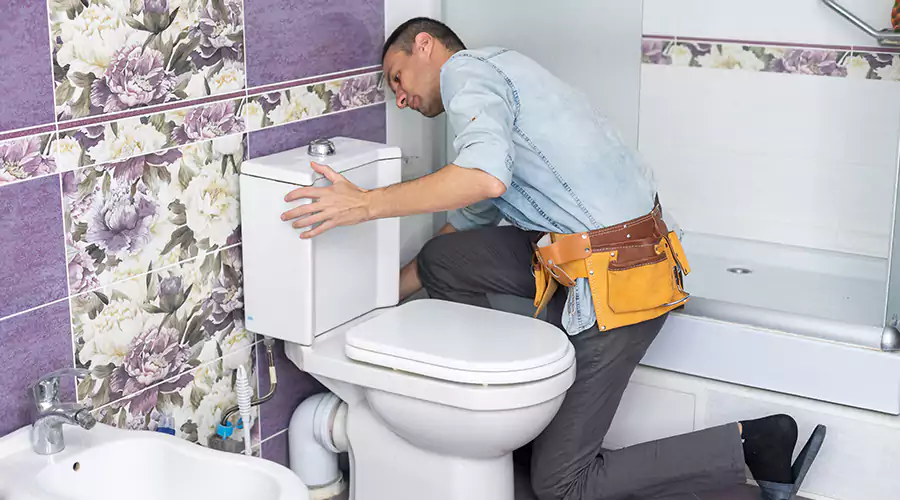
A toilet that won’t stop running might seem like a small annoyance, but it can waste hundreds of gallons of water every day and add significantly to your utility bill. In many cases, a constantly running toilet is easy to fix, but sometimes it signals a deeper plumbing issue that needs professional attention.
In this article, we’ll cover why your toilet keeps running, common DIY fixes, and when it’s time to call a plumber to prevent costly water waste and damage.
1. How a Toilet Works
To understand why your toilet won’t stop running, it helps to know how it operates. Inside the tank, three key parts control the flush cycle:
- Flapper: A rubber seal that lifts when you flush, allowing water to flow into the bowl.
- Fill Valve: Refills the tank after flushing.
- Float: Controls when the fill valve shuts off by measuring water level.
When everything works properly, the tank fills, stops, and waits for the next flush. If any of these parts fail, water continues running.
2. Common Reasons a Toilet Keeps Running
a. Worn or Dirty Flapper
The flapper is the most common cause of a running toilet. Over time, it can become warped, cracked, or covered in mineral deposits, preventing it from sealing properly.
How to check: Lift the lid and press down on the flapper with a stick. If the running stops, the flapper needs replacement.
Quick fix: Replace the flapper with a matching model (usually under $10) and ensure the chain isn’t too tight or too loose.
b. Faulty Fill Valve
If water keeps flowing into the tank even after it’s full, the fill valve may be malfunctioning. You might also hear a hissing sound.
How to check: Flush the toilet and watch if water continues to rise past the fill line.
Quick fix: Adjust or replace the fill valve. Many modern valves are easy to install and include adjustable floats for water level control.
c. Incorrect Water Level
If the water level is too high, it can spill into the overflow tube, causing the toilet to run continuously.
How to fix: Adjust the float arm or fill valve to lower the water line about an inch below the top of the overflow tube.
d. Chain Problems
If the flapper chain is too short, it can prevent the flapper from sealing. If too long, it can get tangled under the flapper.
How to fix: Adjust the chain length so it has about half an inch of slack.
e. Mineral or Sediment Build-Up
Hard water deposits can affect seals and moving parts, especially around the flapper and fill valve.
How to fix: Clean the tank parts with vinegar and a soft brush, then test the flush again.
3. Hidden Issues That Require a Plumber
While some running toilets are simple fixes, others point to larger plumbing issues. Call a professional plumber if you notice:
- Recurring leaks even after replacing parts
- Water pooling around the toilet base
- Weak or inconsistent flushing power
- Visible cracks in the tank or bowl
- Multiple toilets or fixtures running at once (may indicate a water pressure or supply problem)
A plumber can inspect for hidden leaks, replace worn internal components, or identify water pressure issues that DIY repairs can’t solve.
4. Why You Shouldn’t Ignore a Running Toilet
A constantly running toilet isn’t just annoying — it’s expensive and wasteful. According to the Environmental Protection Agency (EPA), a single running toilet can waste up to 200 gallons of water per day.
Ignoring the issue can lead to:
- Higher water bills
- Damage to flooring or subflooring if leaks develop
- Increased strain on your plumbing system
- Environmental impact from wasted water
Fixing it early is better for your wallet and the planet.
5. Preventing Future Problems
Keep your toilet in top condition with simple preventive measures:
- Inspect components annually for wear and tear
- Clean the tank to prevent sediment buildup
- Use gentle cleaning products that won’t damage rubber parts
- Replace the flapper every 2–3 years as part of regular maintenance
- Avoid harsh drain cleaners that can deteriorate seals and gaskets
Routine care helps prevent both leaks and unexpected toilet malfunctions.
6. Professional Repair and Replacement Options
If repairs don’t solve the problem, your plumber may recommend replacing older parts or upgrading the toilet altogether. Modern dual-flush and high-efficiency toilets use less water per flush and save money long-term.
A professional plumber ensures all components are properly installed and sealed, giving you peace of mind and long-lasting performance.
Conclusion
A running toilet might seem like a minor issue, but it can quickly turn into wasted water, higher bills, and hidden plumbing damage. Fortunately, most problems have simple solutions — and when they don’t, a licensed plumber can diagnose and repair the issue efficiently.
If your toilet won’t stop running or you’re unsure what’s causing it, contact a professional Toilet Repair specialist. A quick inspection today can prevent bigger headaches (and expenses) tomorrow.